Why Window Replacement Beats Repair After Five Years
We spent years fixing old double-hung windows before we realized the math wasn’t working. Every year brought a new broken sash cord, stuck frame, or failing seal.
Each repair cost $200–400 and bought us maybe another season. The turning point came when we did the numbers and saw that we were spending more on fixes than a complete replacement would cost.
It was a hard truth, but one we wish we’d faced earlier—and we’re sharing it because we see a lot of people trapped in the same cycle.
The thing nobody tells you is that window failure isn’t gradual. You don’t get a slow decline where each repair gets the window back to 90% function.
What happens instead is that one system fails, you fix it, and then another system fails because it was running hot while the first one was broken. A broken seal makes the frame swell.
A swollen frame jams the hardware. Jammed hardware stresses the glass. Six months later, you’re replacing glass that never had a problem when you bought the house.
Then you’re calling the contractor again, and the cycle accelerates.
That’s the lesson that changed our thinking. We’d been treating windows like appliances with an indefinite lifespan, repairable on demand.
But windows are systems—interdependent parts designed to work together. When one part fails repeatedly, the whole system starts coming apart.
What the Figures Say
We tracked our window maintenance for twelve years before we finally replaced them. That log showed us something clear: repair costs began doubling every three to four years.
The intervals between failures were shrinking too. In year one, we had one repair. In year five, we were getting calls from our contractors twice.
By year ten, we weren’t even calling anymore. We were just living with the cold and the rattle.
The cost was revealing. A new window runs $300–600 installed, depending on the frame type, the profile, and your region.
Our final five years of repairs? Just short of $3,000. And that wasn’t counting the window that had already failed so badly we just didn’t open it anymore.
We also paid more on heating bills while air leaked out around frames that wouldn’t seal, and we spent time filling holes and caulking gaps that kept opening up.
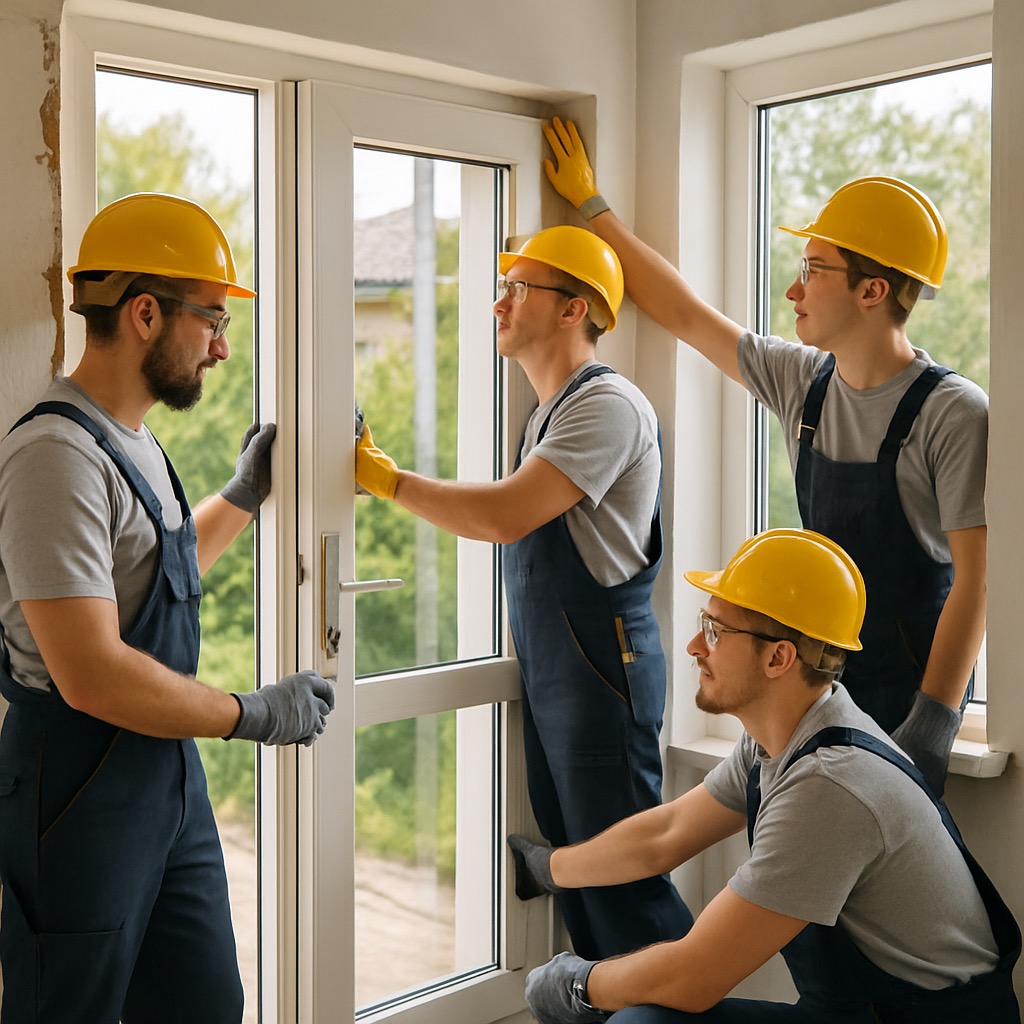
What This Looks Like in Practice
The Five-Year Mark
If you’re five years into ownership and you’ve had three service calls, replacements have already paid for themselves in convenience. A new window brings updated sealing technology that old frames cannot match.
The Hidden Cost
Every repair buys you maybe a season. But while you’re fixing, your heating and cooling system works overtime against the failing seals.
That’s the bill you don’t see in the contractor invoice, but you pay every month in utilities.
When to Stop Fixing
The rule we learned: if your contractor has seen the same window more than twice and more than five years have passed, replace it. The cascade failures make that window uneconomical.
What Changes
New windows feel different: heavier sashes, tighter seals, less rattle in the wind, and less air infiltration on cold days. That’s the feeling of a system engineered to last.
Finding the Right Installer
When we finally decided to replace instead of repair, we faced the contractor question. We don’t have any affiliation with any window company, and we bought our replacement windows from someone different than the contractors who did the repairs.
We were just looking for the best value and the best installer available to us. The key was asking the right questions upfront.
We asked about their warranty, their seal technique, their flashing, and their track record. We got three estimates—two seemed cheap until we looked at the details.
The third one took the most time to explain what they’d do and why, and that made all the difference. The difference showed up in the work.
We know now that the real question isn’t “How much does a repair cost?” The question is “How many repairs am I willing to pay for?”
That question has a number, and when you reach it, replacing beats fixing every time. We waited too long, but we’re glad we finally made the move.