Planning a Window or Siding Project Before the First Estimate
The Problem, Stated
Planning a window or siding project means making dozens of small decisions that add up to one large outcome. The scope seems straightforward—measure, choose, install—but the choices that matter are the ones most homeowners don’t think about until they’re partway through. Do you keep the existing trim or replace it? What happens to the wall if the frame is smaller than the opening? If your house was built before 1978, ask whoever you hire about lead-safe work, because paid work that disturbs painted surfaces, which includes pulling out old window frames and casings, falls under a federal rule. For the detail on who needs to be certified and how to find a certified firm, see the U.S. EPA Renovation, Repair and Painting Program. Those details matter more than the initial estimate, because they determine whether the project solves the problem or creates new ones.
What It Should Look Like When Done
Frame and Trim in Alignment
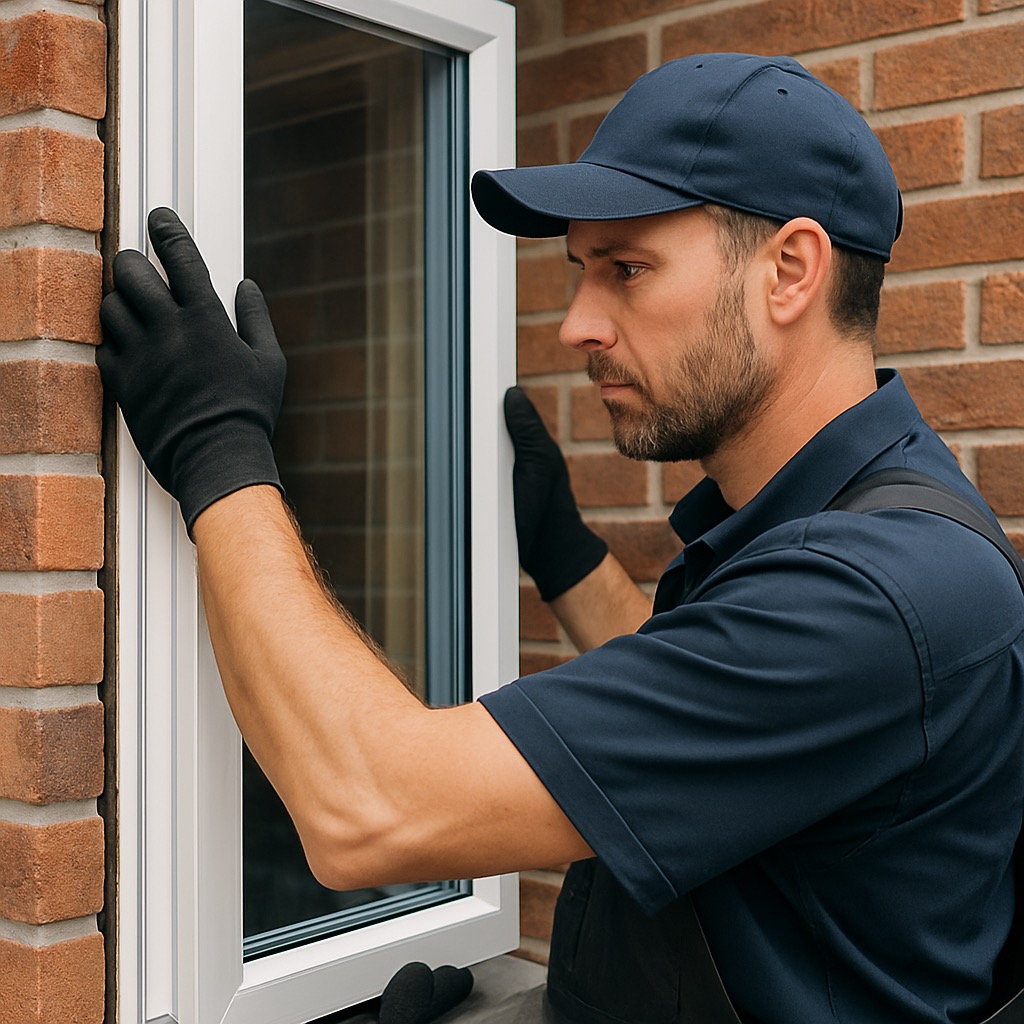
The new window frame sits straight in the opening—not forced or shimmed in ways that stress it. The trim is installed square and level, and gaps are sealed, not caulked over without preparation. These aren’t cosmetic details; they’re what keeps water out.
Siding and Flashing Sealed
The interface between the window and the wall is protected with proper flashing, not improvised barriers. Siding is cut cleanly around new openings, not left with gaps that pull water toward the frame. This work is often hidden, but it’s what determines whether the project lasts decades or just years.
Operation and Performance
The window operates smoothly, without binding or rattling. You can close it from any angle without forcing it. On a cold day, you feel no draft. These are the signs that the installation was done with care and the materials are sound.
What It Typically Costs
Material Cost Range
Vinyl windows run from $300 to $800 per opening, depending on size and features. Siding material ranges from $2 to $5 per square foot. These are your material costs before labor; budgeting for installation will increase the total substantially.
Labor and Installation
Professional installation typically runs 1.5 to 3 times the material cost for window work, and 1 to 2 times for siding, depending on complexity. Older homes where trim needs replacement, or where walls are out of square, run higher because the detail work takes longer.
Contingency and Surprises
Set aside 10–15% of your budget for unexpected findings: wall rot, hidden structural damage, or materials that don’t fit like the old ones did. On older homes these surprises are the rule, not the exception, and they often determine the real cost of the project.
Permits and Inspections
Many jurisdictions require permits for window and siding work, especially on older homes where lead disclosure or structural changes apply. Expect to budget $100–$500 for permits and inspection fees, depending on your location and the scope of work.
When to Call a Professional
Some window and siding work can be done carefully by a motivated homeowner. A single window replacement in good frame condition, new siding over intact sheathing, or trim work on a square opening—these are projects where your patience and care can substitute for speed. But if the wall is soft when you press it, if the frames are severely warped, if the opening has shifted over the years, or if you’re working on a structure older than 1978 with original painted surfaces, hire the work done. A professional sees problems you’d miss, fixes them before they become hidden defects, and carries insurance if something goes wrong. That peace of mind, plus a warranty on the workmanship, is worth the cost.
The Options Compared
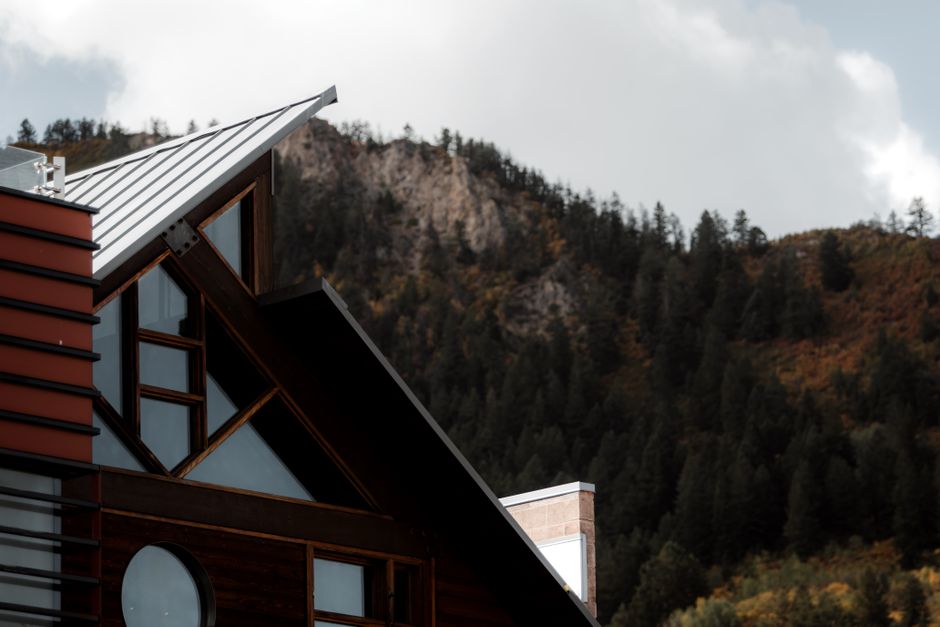
Vinyl windows dominate the market because they balance cost, durability, and ease of maintenance. Wood windows offer character and higher resale value on older homes, but they require ongoing maintenance and cost significantly more upfront. Aluminum frames are rare in residential applications now—they conduct cold and haven’t solved the thermal problems they had 30 years ago. For siding, vinyl offers low maintenance and comes in more colors and profiles than it did a decade ago, but it’s not as durable as fiber cement and won’t match the character of original materials on a historic home. Fiber cement costs more but lasts longer and stands up better to weather. If your goal is the longest lifespan and lowest maintenance, fiber cement wins; if budget drives the decision, vinyl solves the problem without compromise.
The decision between materials isn’t about which one is universally “better”—it’s about which one fits your home, your budget, and how long you plan to stay in the house. A homeowner planning to be there for 20 years can justify a premium product that carries a 20-year warranty. Someone in a transitional home might choose differently. The right choice is the one where you get what you pay for, you’re not paying for unnecessary features, and you understand what maintenance you’re signing up for.