Common Questions From Homeowners Like You
After writing about windows and siding for a while, we started noticing patterns in the questions homeowners ask us. The same concerns come up repeatedly, which tells us they matter to people facing window replacement decisions. We have gathered the most frequent ones here and answered them based on our own project experience and conversations with professionals in the field.
Questions You Are Probably Asking Too
- How much will this actually cost? New windows run from 400 to 1,200 per unit installed, depending on size, frame material, and finish. Labor adds another 50 percent. A typical home with 15 windows might budget 8,000 to 18,000 total, including labor and disposal of old frames.
- Should I replace all windows at once or do them room by room? Replacing all at once gives you consistent styling and lets you negotiate better pricing with the contractor. Room by room stretches the cost and means living with mismatched windows for a while, but it spreads the disruption and expense.
- Will new windows really save money on utilities? Energy savings depend on your current windows. If you have single-pane glass, new double- or triple-pane windows with low-emissivity coatings will noticeably reduce heating and cooling costs, usually 15 to 20 percent. Older dual-pane windows show smaller gains.
- What frame material is best? Vinyl is affordable and low-maintenance. Wood looks better and offers superior insulation but requires regular painting. Aluminum conducts heat poorly and is less common for residential use. Most homeowners choose vinyl for new construction.
- How long do new windows last? Properly installed vinyl windows typically last 20 to 40 years. Wood windows need regular maintenance but can last 50 years or more. The seal between panes can fail earlier, usually 10 to 20 years in, but single-seal failures do not mean you need new windows—just a replacement of that component.
What You Learn By Watching Installation
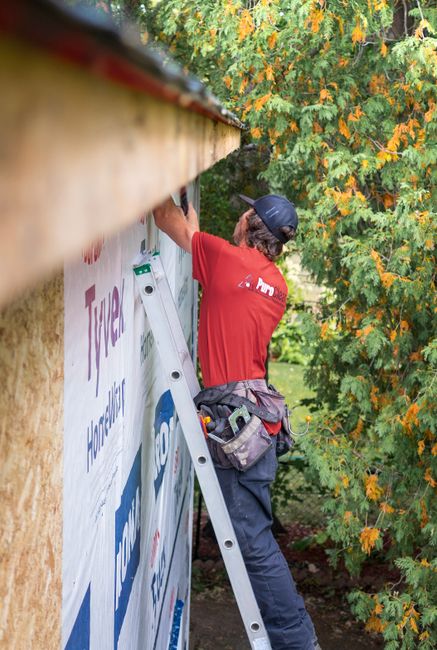
If you have the chance to watch the work happen, do it. You will see where precision matters most: how the frame sits in the opening, how the flashing is sealed, how the sill is sloped to shed water. These details determine whether your window stays tight for 20 years or starts leaking in five. A contractor confident in their work will welcome you to observe the process.

Key Considerations That Affect Your Decision
Climate and Orientation
South and west-facing windows need different glass coatings than north-facing ones in our climate. Summer heat gain matters here. Ask your contractor whether they recommend low-solar-gain glass on the sunny sides of your home.
Architectural Consistency
Your new windows should match the style and proportions of your home. Grid patterns, frame depth, and hardware finish all matter to the overall appearance. Do not let the contractor choose these details without consulting you about your home’s character.
Operational Details
Double-hung windows operate differently than casement or awning styles. Some are easier to clean. Some open wider. Others ventilate better. Your daily interaction with them matters, so try different types before deciding.
Long-Term Durability
Check the warranty details. Look for companies that have been in business locally for years. Ask whether they stand behind their work if seal failures happen. That is the measure of confidence in their product selection and installation quality.