Our Approach to Window and Siding Assessment
When we started thinking seriously about replacing the windows and siding on our home, we realized pretty quickly that there isn’t a standard way contractors talk about what they’re doing. Some use technical terms that leave you nodding along without quite understanding. Others skip the details entirely and just hand you an estimate. We decided to work through what actually matters when you’re making this decision, and to write it down in plain language. This page is what we learned.
The Detail That Changes Everything
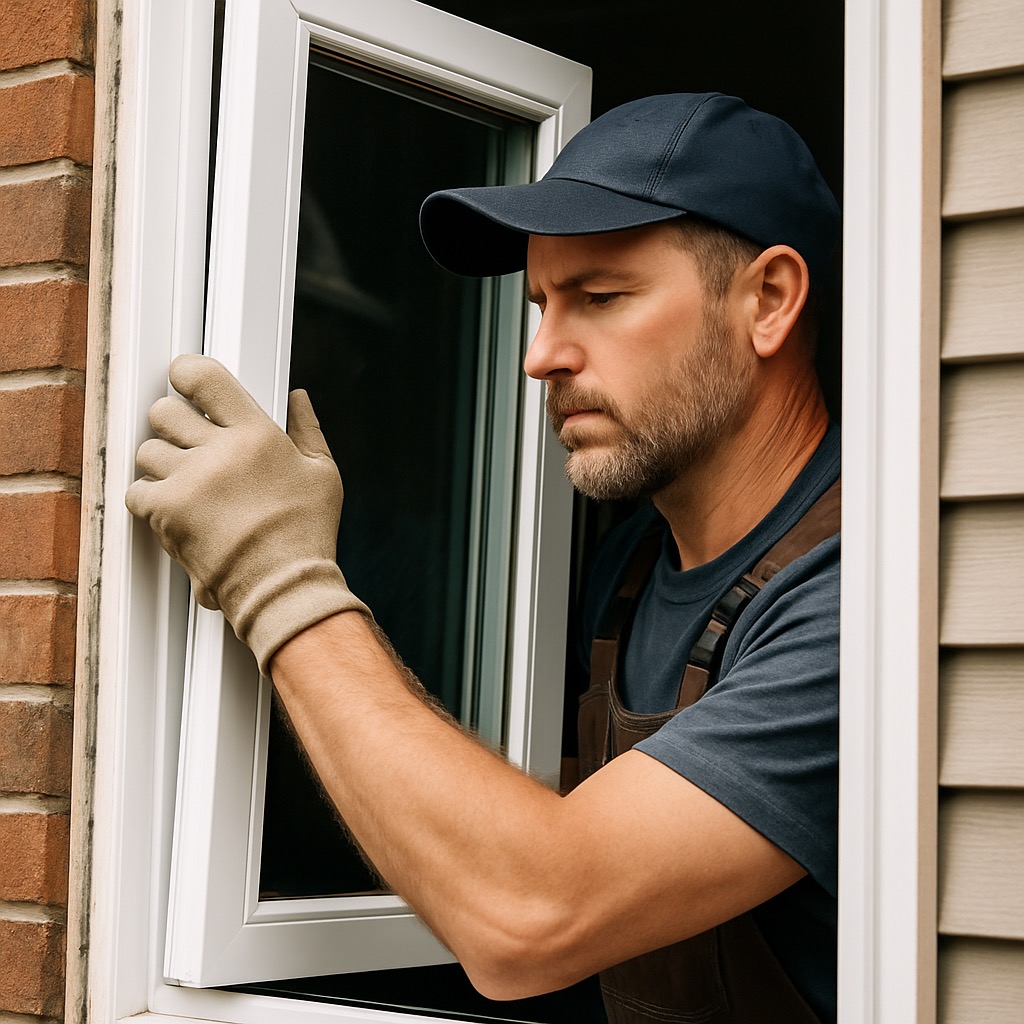
The conversation starts with one question: what’s actually being replaced? Are we talking about the glass itself, the frame that holds it, the wood around the frame, or the entire wall assembly? Most homeowners think “replacing windows” means new glass, but contractors know that’s almost never the whole story.
The frame—the part the glass clips into—is usually the expensive and important part. If that’s still solid and weather-tight, replacing just the glass-and-sash assembly can make sense. If the frame is rotting or doesn’t open properly, you’ll need full replacement, which includes removing the old frame, sealing the opening, and fitting the new one into the wall.
Then there’s what’s around the frame. If the casing—the decorative trim—is original to the house and you want to keep it, that’s a more delicate job. If you’re open to replacing the casing too, it simplifies everything and usually costs less because the contractor has more flexibility in sealing the new frame into the opening.
Common Sticking Points
Energy Rating Confusion
Windows come labeled with U-factors and solar heat gain coefficients that you’re supposed to compare. The numbers matter, but they’re only part of the story. A window rated for a colder climate won’t perform the same in the Tri-Cities. Get a recommendation from someone local who actually installs in your climate zone, not just someone reading the label.
Installation Matters More Than You Think
A window installed wrong—with gaps, bad flashing, or poor sealing—will fail no matter how good the window is. This is why we asked contractors to walk us through their installation process before we hired them.
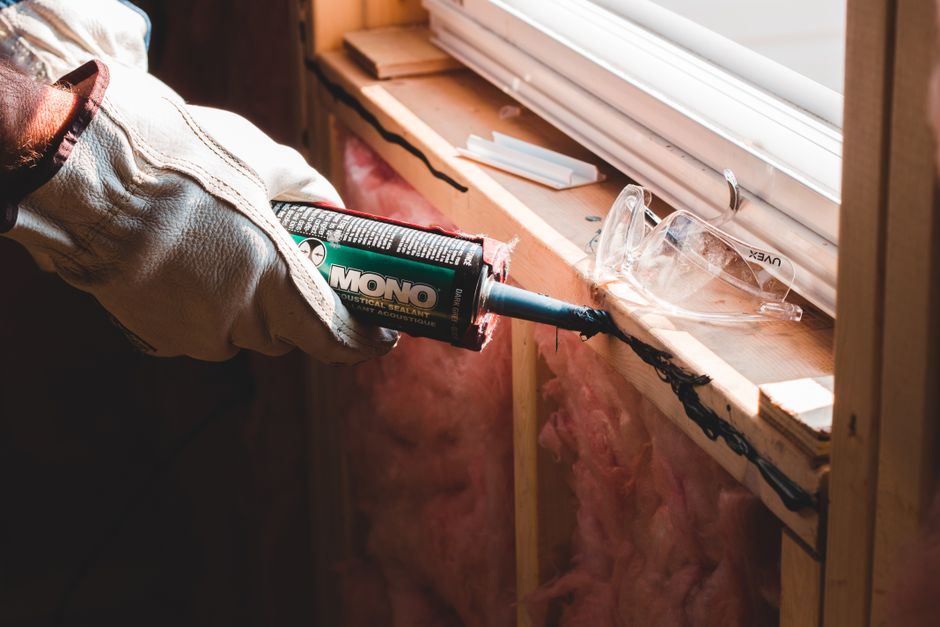
If they couldn’t explain it clearly, that was a sign they might not have thought through the details.
The Warranty Conversation
Warranties on windows are great until you actually need one. Find out who backs it—the manufacturer or the installer—and what actually qualifies. We learned that workmanship warranties often matter more than product warranties, because installation failure is more common than manufacturing defects.
The Reference Guide
Frame Material Options
Vinyl frames are most common because they insulate well and require little maintenance. Aluminum conducts temperature but is thin and durable. Wood is beautiful but needs maintenance. Fiberglass is durable and insulates well but costs more.
Window Styles and Their Trade-offs
Double-hung windows are traditional and operate smoothly. Casement windows seal better than sliders. Picture windows don’t open—they’re pure light. Sliders are easy to operate but don’t seal as tightly.
Glass Technology
Single-pane glass is rare now. Double-pane is standard. Low-E coatings reduce heat transfer. Argon gas between panes improves insulation. Triple-pane costs more but performs best in cold climates.
The Finishing Question
Will the new frames match what was there before, or will you change them to suit a renovation? If you’re keeping existing trim, bring a photo to show the contractor so they bring the right shims and sealing products.
The honest answer is that a window replacement conversation is a conversation with someone who’s actually done this work in your area. The approach we took—asking for detail, listening for clarity, and checking references—meant that when the work started, we already understood what we were paying for and why it mattered. That made the whole process less stressful and the result was something we felt good about.